Books
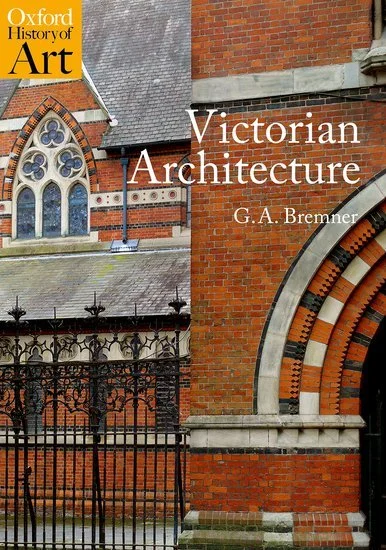
Victorian Architecture presents a new and refreshing overview of nineteenth- and early twentieth-century architecture in Britain and the wider British world.
The Victorian period witnessed the beginnings of what today would be described as the global architectural practice. Architects inhabiting this world, or designing for it, were creating new and hybrid forms of Victorian architecture, continuously, in multiple locations. New efficiencies brought by technological advancements such as steam-powered locomotion enabled the Victorian building industry to revolutionise in terms of scale, precision, and variety. As many of the buildings examined here reveal, at the foundation of this revolution was a significant transformation in the supply and conversion of energy. Materials used in construction often come from far away and were procured under increasingly mechanised conditions, entailing the consumption of fossil-fuels in huge, unprecedented quantities. Markets for these materials also multiplied during the period, with companies producing and exporting products as diverse as cast-iron, encaustic tiles, and stained glass in large quantities. Even whole buildings were packed and shipped abroad.
Thematically structured, Victorian Architecture highlights concerns fundamental to how Victorians experienced their world, including urbanism, industry, government, faith, empire, modernity, social order, family, collecting, and consumerism. In emphasising important concepts in building design and culture, it thus connects the understanding of architecture to its wider social, political, and economic contexts. A key feature of the book is the way it situates British architecture in its extended global geographies, with the Victorian built environment seen as encompassing Britain's colonial expansion. As people and ideas were increasingly mobile during this period, themes such as speed and movement are brought to the fore. British architects were designing buildings not just in the British Isles, but much farther afield, in lands as far apart as Barbados and Bombay, Newfoundland and New South Wales. Concise and visually attractive, Victorian Architecture is aimed at a student and general-reader audience, as well as providing a useful reference point for professional scholars.
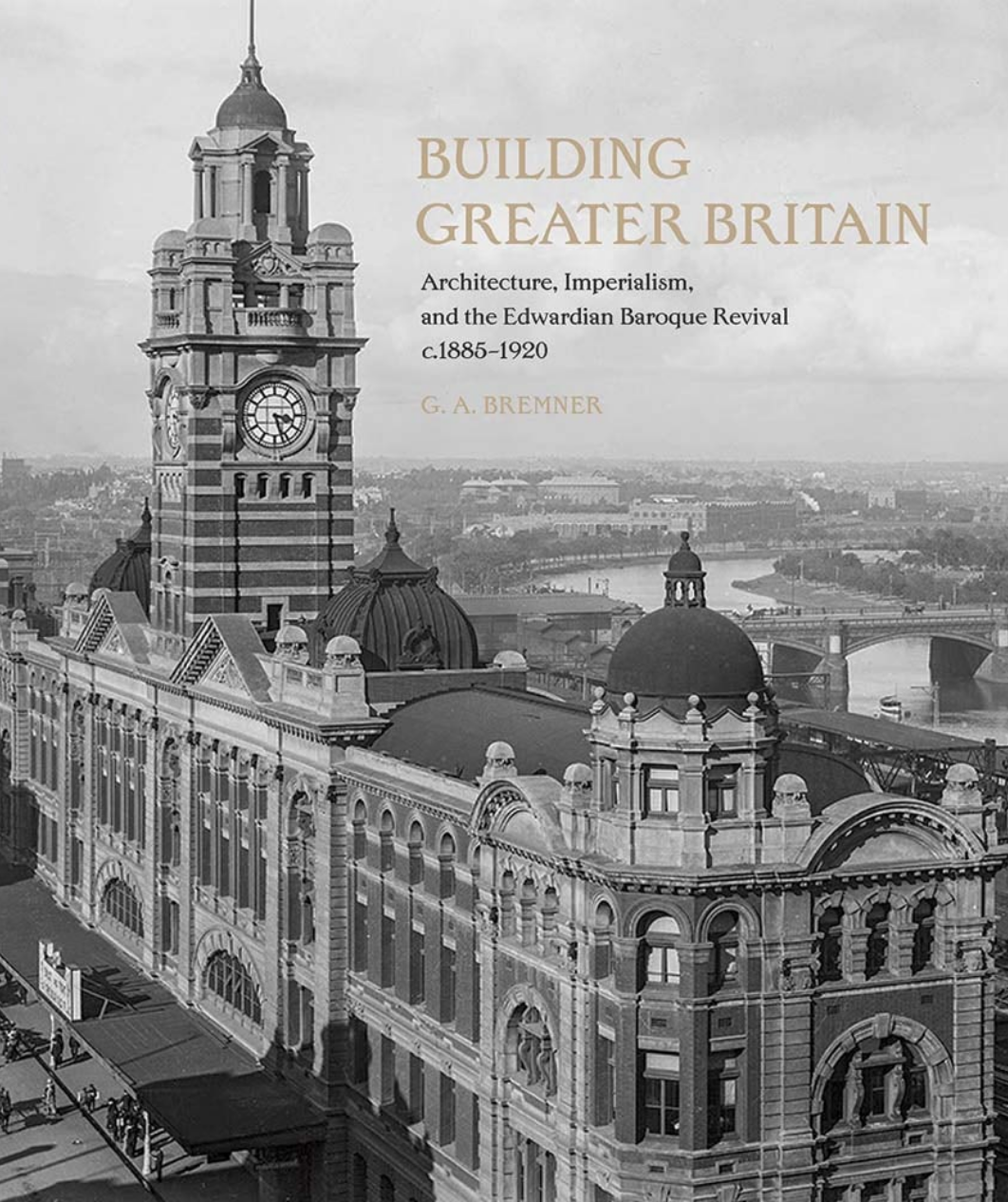
The Edwardian Baroque was the closest British architecture ever came to achieving an “imperial” style. With the aim of articulating British global power and prestige, it adorned civic and commercial structures both in Britain and in the wider British world, especially in the “white settler” Dominions of Australia, New Zealand, Canada, and South Africa.
This innovative study reappraises the Edwardian Baroque movement in British architecture, placing it in its wider cultural, political, and imperial contexts. Evoking the contemporary and emotive idea of “Greater Britain,” this new book by distinguished historian G. A. Bremner represents a major, groundbreaking study of this intriguing architectural movement in Britain and its empire. It explores the Edwardian Baroque’s significance as a response to the growing tide of anxiety over Britain’s place in the world, its widely perceived geopolitical decline, and its need to bolster confidence in the face of the Great Power rivalries of the period.
Cross-disciplinary in nature, it combines architectural, political, and imperial history and theory, providing a more nuanced and intellectually wide-ranging understanding of the Edwardian Baroque movement from a material culture perspective, including its foundation in notions of race and gender.
PRAISE:
"This significant gap in British architectural history has now been redressed … . Bremner’s achievement is to have recovered, in its complex diversity, a major architectural movement that was global in scope. The breadth of research required to bring this off, ranging across four continents, is an achievement in itself." — Ian Lochhead, The Burlington Magazine
"Building Greater Britain is an account of baroque revival architecture in Britain and the white settler areas of the British empire. It is an impressive, even formidable work. As well as the extent of its treatment (architecture in six countries beyond Britain is considered), it is monumental in its scholarship." — Mark Crinson, Architectural History
‘Assiduously edited and richly illustrated, Building Greater Britain is an erudite and assured piece of scholarship that reaffirms Bremner’s pre-eminence as a historian of British imperial architecture.’ — Jasper Ludewig, Fabrications
"Bremner’s wonderfully assured and richly illustrated Building Greater Britain is … a timely book. [He] proposes buildings as an overlooked source for the study of Edwardian angst, one which he suggests might lead us to ponder afresh the dilemmas of our own age." — Michael Ledger-Lomas, Jocobin
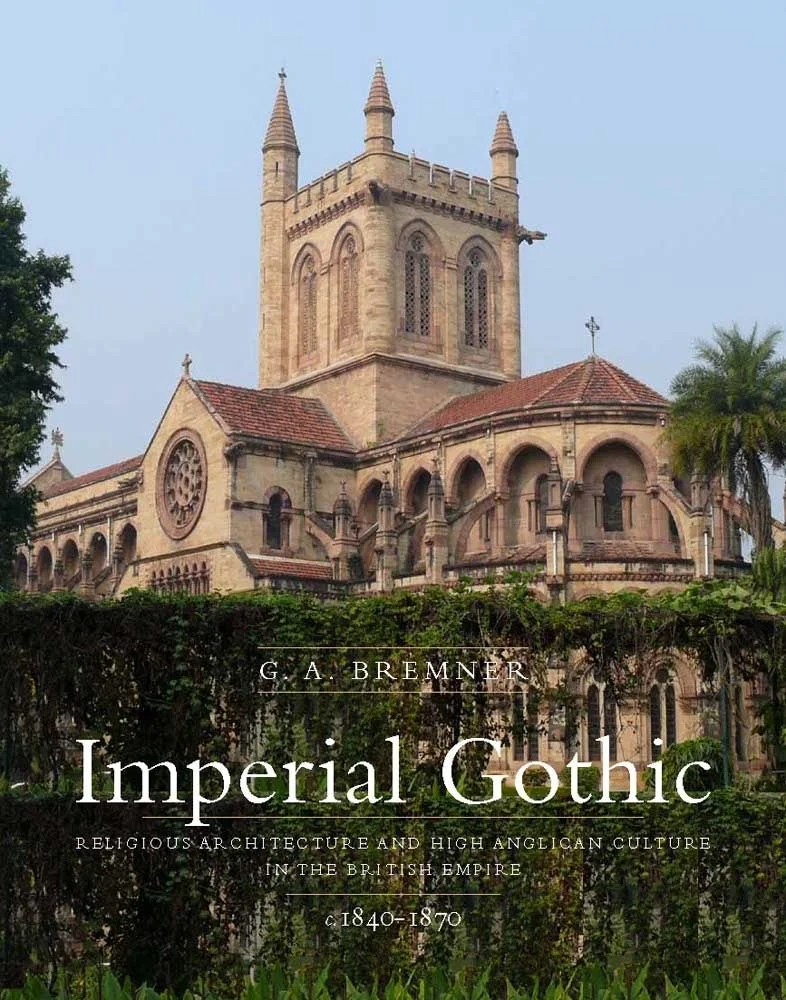
The Gothic Revival movement in architecture was intimately entwined with 18th - and 19th - century British cultural politics. By the middle of the 19th century, architects and theorists had transformed the movement into a serious scholarly endeavour, connecting it to notions of propriety and "truth", particularly in the domain of religious architecture. Simultaneously, reform within the Church of England had worked to widen the aesthetic and liturgical appeal of "correct" gothic forms. Coinciding with these developments, both architectural and religious, was the continued expansion of Britain's empire, including a renewed urgency by the English Church to extend its mission beyond the British Isles. In this ground-breaking new study, G. A. Bremner traces the global reach and influence of the Gothic Revival throughout Britain's empire during these crucial decades. Focusing on religious buildings, he examines the reinvigoration of the Church of England's colonial and missionary agenda and its relationship to the rise of Anglican ecclesiology, revealing the extraordinary nature and extent of building activity that occurred across the British world.
Winner of the Alice Davis Hitchcock Medallion of the Society of Architectural Historians of Great Britain; William M. B. Berger Prize for British Art History; Historians of British Art Book Prize; shortlisted Whitfield Prize, Royal Historical Society.
PRAISE:
“Although wide in scope and rich in scholarly detail, Bremner remains focused and easy to follow in his arguments. By considering the unique cultural context for each religious building, he sets a model for future scholarship in this field and demonstrates that the ideas behind the Gothic Revival Movement were not simply adapted or diluted for imperial export, but were actively developed across the globe.” ― Francesca Herrick, Burlington Magazine
“This splendid work superbly illustrates and describes churches created in the cause of global Anglicanism. ‘Groundbreaking book’ is an over-used term, but that it what this is: a beautiful reminder of the high-minded aspirations of what was once considered to be not an ignoble undertaking.” ― James Stevens Curl, Times Higher Education
“Bremner’s Imperial Gothic provides a most substantial enrichment to our knowledge of early and mid-Victorian church architecture.” ― Stefan Muthesius, The Victorian
“A formidable work of expository scholarship … . Bremner has produced a substantial, magnificently documented and illustrated work that will be a keynote for future studies of architecture and empire.” ― Tim Barringer, Journal of the Society of Architectural Historians
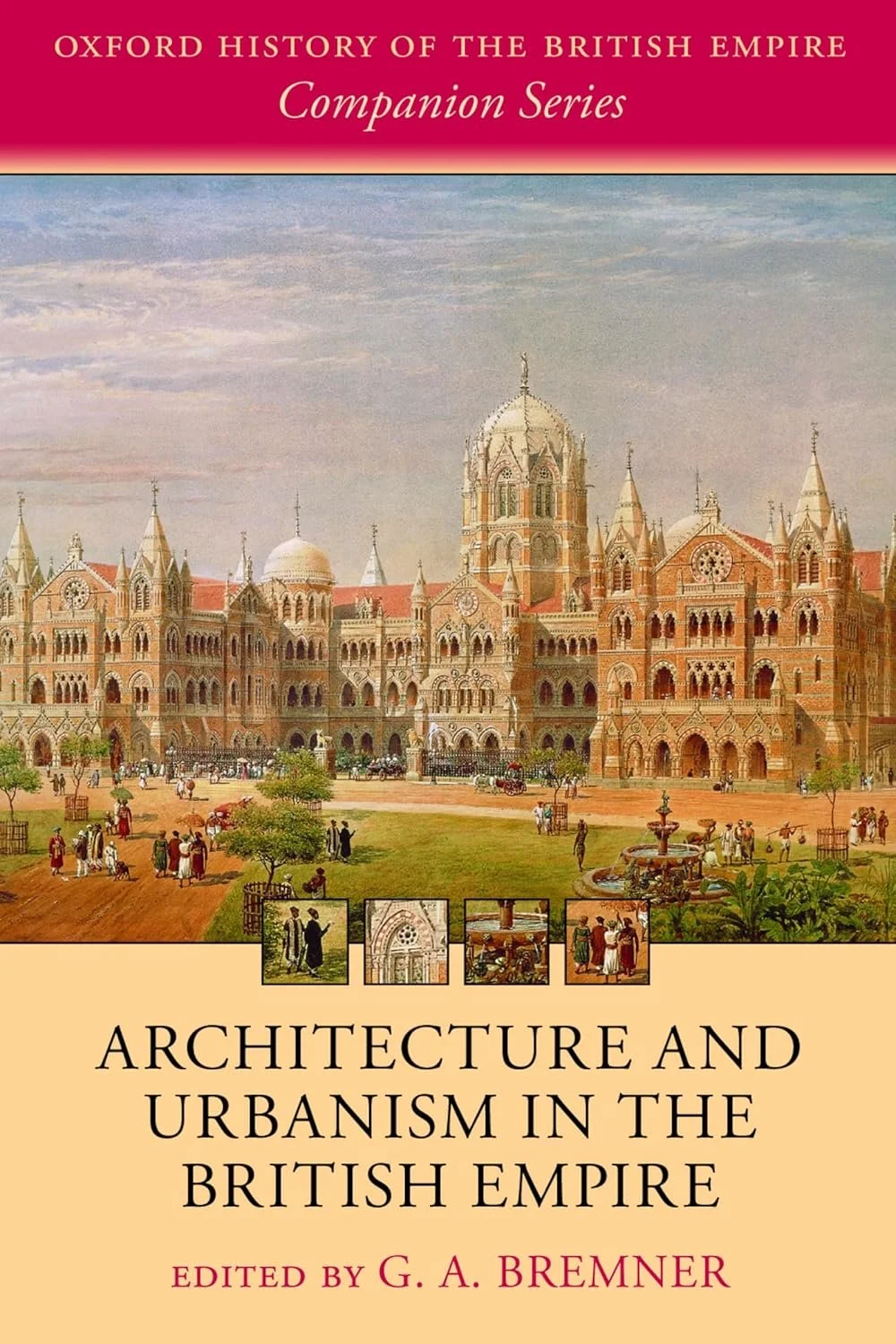
Throughout today's postcolonial world, buildings, monuments, parks, streets, avenues, entire cities even, remain as witness to Britain's once impressive if troubled imperial past. These structures are a conspicuous and near inescapable reminder of that past, and therefore, the built heritage of Britain's former colonial empire is a fundamental part of how we negotiate our postcolonial identities, often lying at the heart of social tension and debate over how that identity is best represented.
This volume provides an overview of the architectural and urban transformations that took place across the British Empire between the seventeenth and mid-twentieth centuries. Although much research has been carried out on architecture and urban planning in Britain's empire in recent decades, no single, comprehensive reference source exists. The essays compiled here remedy this deficiency. With its extensive chronological and regional coverage by leading scholars in the field, this volume will quickly become a seminal text for those who study, teach, and research the relationship between empire and the built environment in the British context. It provides an up-to-date account of past and current historiographical approaches toward the study of British imperial and colonial architecture and urbanism, and will prove equally useful to those who study architecture and urbanism in other European imperial and transnational contexts.
PRAISE:
"This collection contains some stunning essays." ― Tristram Hunt, Times Literary Supplement
"Bremner offers an invaluable and unprecedented survey of a new and exciting field of imperial history that should mark its coming of age. The volume's importance for many will be as an entry point to this almost endlessly rich arena of study: it surely contains the seeds of hundreds of dissertation topics. Bremner and his contributors have given us a dazzling and abundant survey. The full importance of the field they have delineated will only become clear in the years to come." ― Tim Livsey, Journal of British Studies
“Bremner has [compiled] … as rich and useful an overview of this broad field of scholarship as could be accomplished in the scope of a single volume … Few demonstrate a comparable command of this broader literature – equally important – the significant historiographical debates and shifts over the past generation.” – Peter Scriver, Fabrications
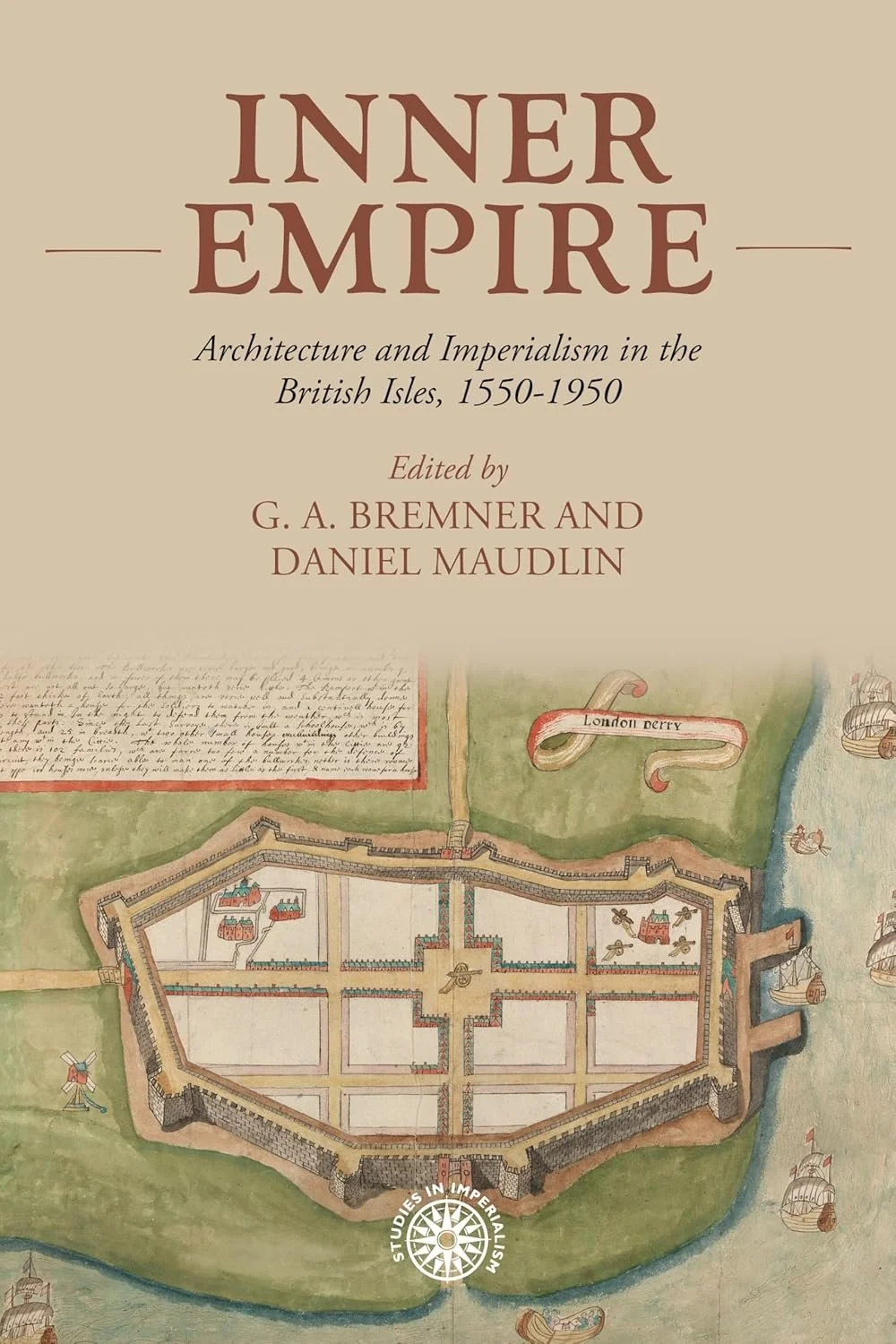
Inner Empire explores the impact of imperial cultures on the landscapes and urban environments of the British Isles from the sixteenth century through to the twentieth century. It asserts that Britain's four-hundred year entanglement with global empire left its mark upon the British Isles as much as it did the wider world. Buildings stood as one of the most conspicuous manifestations of the myriad relationships that Britain maintained with the theory and practice of colonialism in its modern history. Divided into two main sections, the volume's content considers 'internal' colonisation and its infrastructures of control, order, and suppression, alongside wider relationships between architecture, the imperial economy, and cultural identity. Taken together, the essays in this volume present for the first time a coherent analysis of the British Isles as an imperial setting understood through its buildings, spaces, and infrastructure.
PRAISE:
“Inner Empire is a very welcome addition to the field of (post-)colonial and imperial studies, area studies, and subaltern studies and critique. Within its transdisciplinary correspondence, it expands on aspects of architectural and urban planning histories which constitutes a meaningful contribution to the current state of study.” – Liora Bigon, Ariel University
“Critical and fresh, [this] collection offers a window into the future of the architectural history of the British Isles. It will quickly become required reading for all scholars interested in the intersection of architecture and empire.” – Louis Nelson, Journal of the Society of Architectural Historians
“Inner Empire makes a substantial contribution to the historiography of empire by demonstrating how the built environment was persistently shaped by imperial processes.” – Matthew Wells, ABE Journal
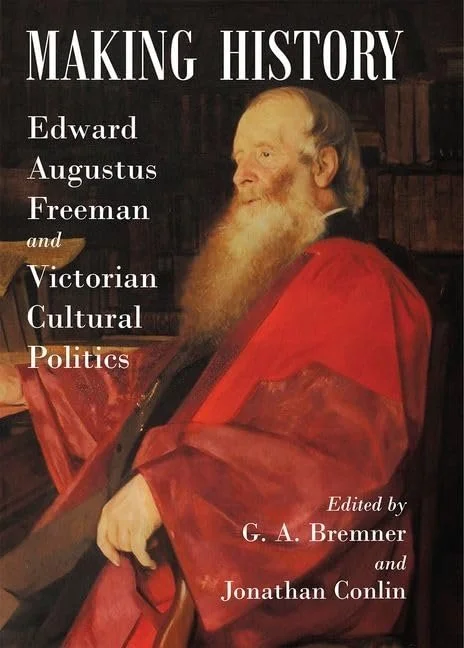
Freeman was an idiosyncratic and imaginative polymath who saw past and present as interwoven and had a gift for bringing history alive. A colourful and outspoken Victorian, he provides a historical context for current debates on multi-culturalism, race, and national identity. This volume fills an important gap in the history of Victorian thought.
'History is past politics, politics is present history.' Thus observed Edward Augustus Freeman, 19th-century historian and public intellectual. He was an idiosyncratic and imaginative thinker who saw past and present as interwoven and had a way of collapsing barriers of time - a gift for making the reader feel part of history, rather than merely its student.
Freeman's interests ranged widely beyond history, however, and this volume provides a biographical as well as intellectual survey of his activities. Thus chapters intersect with historical episodes such as Tractarianism, Liberal Anglicanism and the Gothic Revival, cutting across the divides that traditionally separate architectural, political, church and imperial history. New influences and nemeses emerge from this consideration of the 1830s to 1850s, providing context and added depth to the familiar view of the mature Freeman: to his historical writing as well as to the personal feuds (e.g. with Froude) for which he was equally known.
This book fills a gap in the intellectual history of Victorian Britain by providing the first comprehensive, scholarly account of one of its most articulate and outspoken public intellectuals. More broadly, too, Freeman provides a historical context for current debates on multi-culturalism, race and national identity.
PRAISE:
“Bremner and Conlin … demonstrate that Freeman was a more interesting figure than we tend to think. … The volume … highlights neglected aspects of Freeman’s work—such as his role in the establishment of architectural history, and the impact of his Anglo-Catholicism and his wide-ranging travels on his thinking—and develops understanding of both his notorious racism and his historical methodology and contribution.” A – Rosemary Mitchell, English Historical Review
“[an] entertaining and illuminating volume of essays.” ― Michael Hall, The Victorian